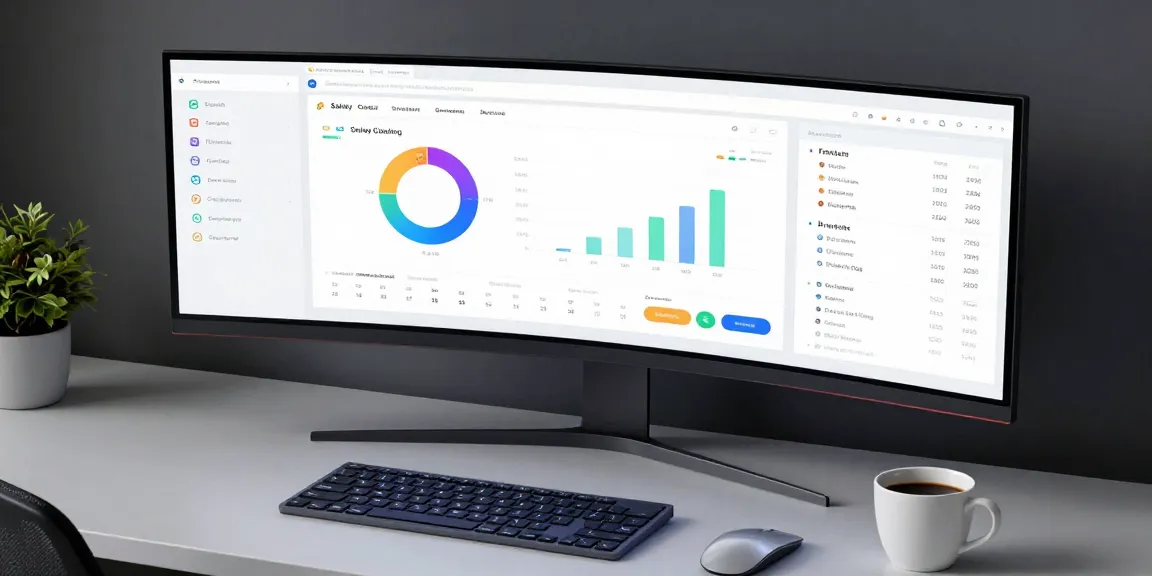
Understanding the Need to Build Internal Tools with AI
In today's fast-paced business environment, the reliance on spreadsheets and manual processes can hinder productivity and creativity. As organizations grow, so do their needs for efficient tools that streamline workflows. This necessity has paved the way for innovative solutions that empower teams to build internal tools with AI, simplifying the process of tool creation and enabling seamless integration into existing systems. By leveraging artificial intelligence, businesses can create bespoke tools tailored to their specific operational requirements.
What Are Internal Tools and Why They Matter?
Internal tools refer to applications or systems that organizations develop or deploy to streamline their operations. These tools serve various functions, from project management to customer relationship management, enhancing communication and collaboration within teams. The importance of internal tools lies in their ability to improve efficiency, reduce errors, and provide data-driven insights that inform strategic decisions.
Common Challenges in Traditional Tool Development
Developing internal tools through traditional means often involves significant time and resource investments. Common challenges include:
- High Costs: Custom development can be expensive, particularly for small and medium-sized enterprises.
- Complexity: Integrating new tools with existing systems can be complicated and time-consuming.
- Lack of Flexibility: Traditional solutions often fail to adapt quickly to changing business needs.
- Dependency on IT: Many businesses rely heavily on IT departments for tool development, which can slow down the process.
Benefits of Using AI to Create Custom Tools
Utilizing AI for internal tool development can address many of the shortcomings of traditional methods:
- Speed: AI can significantly reduce the time required to develop and deploy tools, enabling faster responses to business changes.
- Cost-Effectiveness: Many AI-driven solutions are low-code or no-code, allowing organizations to build tools without extensive budgets.
- Improved User Experience: AI can help tailor tools to user needs, making them more intuitive and effective.
- Data Insights: AI can analyze data patterns and provide actionable insights, enhancing decision-making processes.
Steps to Successfully Build Internal Tools with AI
Setting Clear Objectives for Tool Development
Before embarking on building internal tools, organizations should clearly define their objectives. This involves understanding the specific problems that need addressing and outlining measurable goals for the tool. Establishing clear objectives ensures that the development process remains focused and aligned with business needs.
Choosing the Right AI Technologies and Frameworks
The choice of technology is critical in the successful implementation of AI-driven tools. Businesses should evaluate various AI frameworks based on their compatibility with existing systems, scalability, and the specific functionalities they require. Factors like community support, documentation, and ease of use should also influence the decision.
Implementing a User-Centered Design Approach
A user-centered design approach is essential for ensuring that internal tools meet the needs of their end users. By involving team members in the design process, organizations can gather valuable feedback and insights that lead to improved usability and adoption rates. Prototyping and iterative testing can also help refine the tool before its final deployment.
Best Practices for Building Internal Tools with AI
Establishing Governance and Compliance Standards
The integration of AI in internal tools necessitates the establishment of governance and compliance standards. Organizations must ensure that data handling practices comply with relevant regulations, such as GDPR or HIPAA, depending on their industry. Clear policies help build trust among users and mitigate potential legal risks.
Iterative Testing and Feedback Loops
Continuous testing and feedback loops are vital to refining AI-driven tools. Engaging users throughout the development process allows teams to identify pain points and areas for improvement. This iterative approach not only enhances the tool’s functionality but also fosters a sense of ownership among users.
Documenting Processes for Team Training and Onboarding
Effective documentation is crucial for ensuring that team members can leverage the new tools efficiently. Organizations should create comprehensive guides and training materials that elucidate how to use the tools, troubleshoot common issues, and provide best practices for maximizing their effectiveness.
Real-World Examples of AI-Driven Internal Tools
Case Study: A Successful Tool Implementation in a Tech Startup
One example of effective tool implementation can be seen in a tech startup that developed a project management tool using AI capabilities. The tool integrated with their existing communication platforms and utilized AI algorithms to prioritize tasks based on team input and project deadlines. This resulted in a remarkable 30% increase in overall productivity.
Comparative Analysis of Industry-Specific Tools
Different industries have unique needs and challenges that influence the design of internal tools. For instance, health care organizations may prioritize compliance and patient data security while financial institutions might focus on real-time analytics and reporting. Comparative analyses can help organizations understand best practices and successful implementations within their sectors.
Lessons Learned from Failed Tool Projects
Not all internal tool projects succeed. Common reasons for failure include:
- Poor Requirements Gathering: Failing to adequately assess the needs of users can lead to ineffective tools.
- Underestimating Change Management: Resistance to change can severely impact the adoption of new tools.
- Inadequate Testing: Launching tools without thorough testing can lead to bugs and user frustration.
Future Trends for AI in Internal Tools Development by 2026
Predicting AI Advancements and Their Impact
By 2026, advancements in AI are expected to further revolutionize internal tool development. Emerging technologies such as natural language processing and machine learning will enable tools to become more predictive and responsive, allowing organizations to anticipate needs and streamline operations more effectively.
Adapting to Evolving User Needs and Expectations
As user expectations continue to evolve, businesses must remain agile in their tool development strategies. This may involve incorporating more user feedback and leveraging analytics to better understand how tools are used and where they can be improved.
Preparing Your Team for Upcoming Technologies and Tools
To remain competitive, organizations must invest in training and resources that equip their teams with the skills needed to utilize new technologies effectively. Fostering a culture of continuous learning will help ensure that businesses can adapt to technological advancements and maintain operational efficiency.
What are the essential skills for building internal tools with AI?
Building internal tools with AI requires a mix of technical and soft skills, including:
- Understanding AI and machine learning principles
- Basic programming knowledge or familiarity with low-code platforms
- Strong project management and organizational skills
- Effective communication and collaboration abilities
Can small businesses effectively build internal tools with AI?
Absolutely! Small businesses can benefit significantly from AI-driven tools, especially through low-code or no-code platforms that minimize the need for extensive technical expertise. This enables organizations to create tailored solutions that address their unique challenges without draining resources.
What tools can be used without coding experience?
Several platforms allow users to build internal tools without coding experience, such as:
- Zapier: Automates workflows between applications.
- Airtable: Combines spreadsheet features with database functions to create custom applications.
- Bubble: A no-code platform for building web applications.
How do I ensure governance in AI tool development?
To ensure governance in AI tool development, organizations should establish clear policies and procedures for data management, user access, and compliance with legal regulations. Regular audits and continuous monitoring can also help maintain governance standards throughout the tool's lifecycle.
What are the common pitfalls in AI-driven tool projects?
Common pitfalls in AI-driven tool projects include:
- Lack of stakeholder engagement can lead to misalignment with user needs.
- Overestimating AI capabilities, which can result in unmet expectations.
- Inadequate change management strategies, causing resistance from users.