
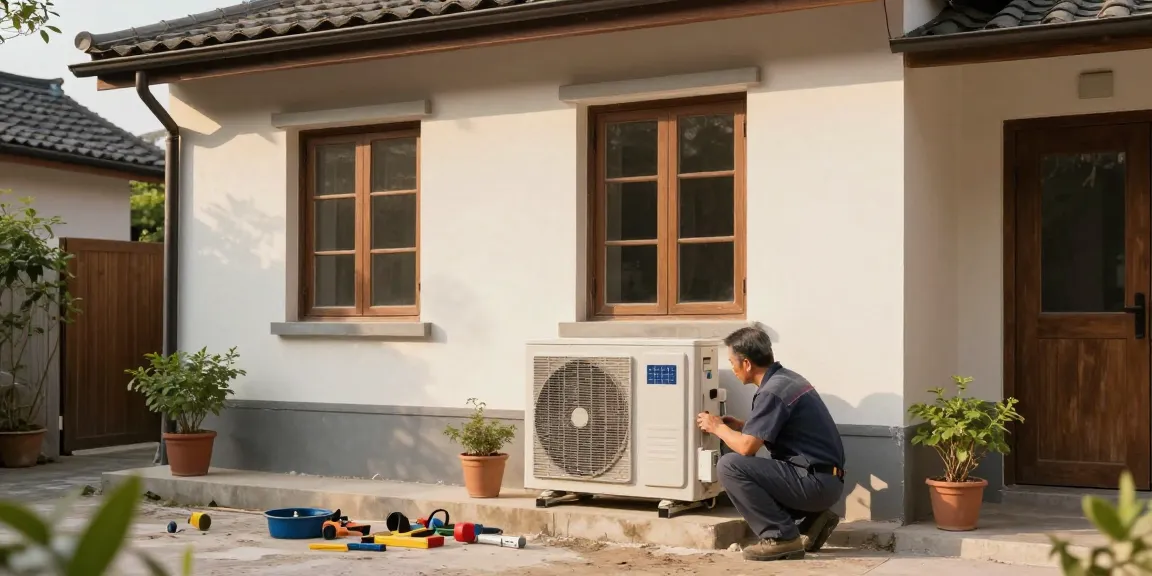
Understanding the Benefits of Wärmepumpe im Altbau
As homeowners increasingly seek energy-efficient solutions for heating older buildings, the topic of employing a wärmepumpe im altbau has garnered significant attention. Heat pumps offer a viable alternative to conventional heating systems, especially in the context of renovations and energy retrofitting. This article delves into the advantages of implementing heat pumps in older structures, paving the way for a more sustainable future.
Why Choose a Heat Pump for Older Buildings?
Older buildings, or Altbauten, often come with unique challenges that can make them less energy-efficient. Traditional heating systems, including oil and gas boilers, can be costly and environmentally damaging. A heat pump utilizes renewable energy by transferring heat from the air, ground, or water, making it an attractive option for homeowners looking to modernize their heating systems. This technology can significantly lower energy bills while reducing carbon footprints.
Environmental Impact and Energy Savings
One of the most compelling reasons to consider a Wärmepumpe in Altbauten is its positive environmental impact. Unlike fossil fuel-based heating systems, heat pumps produce fewer greenhouse gas emissions, which contribute to global warming. Additionally, by sourcing energy from renewable resources, homeowners can decrease their reliance on non-renewable energy sources, leading to an overall reduction in energy consumption.
Initial Costs vs. Long-term Savings
While the installation of a heat pump might seem costly at first, it’s essential to consider the long-term savings. Heat pumps can drastically cut energy costs, offering an average savings of 50% on heating bills compared to traditional systems. Furthermore, many government incentives and subsidies are available to help homeowners offset the upfront costs of installation, making this an economically viable solution.
Assessing Your Altbau’s Suitability for a Wärmepumpe
Before committing to the installation of a heat pump, it’s crucial to assess your Altbau’s suitability. Factors such as the building’s insulation, existing heating systems, and layout can significantly influence the effectiveness of a Wärmepumpe.
Key Considerations for Installation
Several elements must be considered when installing heat pumps in older buildings:
- Insulation: Well-insulated homes retain heat more effectively, making heat pumps more efficient.
- Heating Demand: An energy audit can determine your home’s heating needs and whether a heat pump can meet them.
- Compatibility: Existing heating systems, such as radiators, should be assessed for compatibility with lower temperature outputs typical of heat pumps.
Common Myths and Misconceptions
Despite their benefits, several myths surround heat pumps in Altbauten. Many believe that heat pumps are ineffective in older buildings due to insufficient insulation. However, modern technology has proven capable of overcoming these limitations with proper installation and supplementary measures, such as enhanced insulation.
When a Heat Pump Might Not Be Ideal?
While heat pumps offer numerous advantages, they might not be suitable for every situation. Houses with extensive damage or those requiring significant structural changes may necessitate a different heating solution. Additionally, buildings with extremely high heating demands or minimal insulation may not benefit as much from heat pumps without prior renovations.
Types of Heat Pumps Suitable for Altbau
Choosing the right type of heat pump is vital for maximizing efficiency and performance in Altbauten. There are several types to consider, each with its unique benefits and applications.
Air-source vs. Ground-source Wärmepumpen
Air-source heat pumps extract heat from the outdoor air, making them easier and less expensive to install compared to ground-source systems, which require extensive underground piping to access geothermal heat. For Altbauten, air-source heat pumps can be particularly effective, provided the external environment can yield sufficient heat.
Understanding High-Temperature Heat Pumps
High-temperature heat pumps are designed to heat water to temperatures suitable for traditional heating systems, making them ideal for homes with older radiators that may require higher temperatures than standard heat pumps can provide. This allows for compatibility with existing heating infrastructure without major overhauls.
Energy Efficiency Ratings Explained
When evaluating heat pumps, pay attention to their energy efficiency ratings, usually indicated by the coefficient of performance (COP). A higher COP indicates greater efficiency, meaning the heat pump produces more heat relative to the energy it consumes. When selecting a Wärmepumpe for Altbau, seeking systems with a COP of at least 3.0 is advisable for optimal performance.
Installation Process of Wärmepumpe im Altbau
The installation of a Wärmepumpe in an Altbau involves several steps that ensure optimal performance and compliance with local regulations.
Steps for a Successful Installation
The installation process typically involves:
- Conducting an Energy Audit: Evaluating the building’s energy needs and assessing its thermal envelope.
- Choosing the Right System: Selecting a heat pump that is appropriate for your specific Altbau conditions.
- Professional Installation: Engaging certified technicians for installation to ensure compliance with standards and regulations.
- Post-Installation Testing: Running the system to verify that it operates correctly and efficiently.
Permitting and Regulations for Older Buildings
Older buildings often fall under specific preservation and renovation regulations, which may affect the installation of a Wärmepumpe. Homeowners should consult local authorities to ensure compliance with historical preservation regulations and obtain necessary permits before proceeding with installation.
Collaborating with Professionals for Best Results
Enlisting the help of experienced professionals, such as energy consultants and certified installers, can ensure that your heat pump is installed correctly and operates efficiently. Professional guidance can also help navigate the complexity of local building codes and financial incentives.
Future Trends in Heat Pump Technology
The landscape of heat pump technology is evolving rapidly, with numerous advancements expected in the coming years. Here are some trends to keep an eye on:
Advancements in Efficiency and Design for 2026
Future heat pump designs will focus on improved efficiency and lower environmental impact. Innovations such as variable speed technology will allow heat pumps to operate efficiently under varying load conditions, enhancing their suitability for Altbauten.
Smart Home Integration and Control Systems
Smart home technology is becoming increasingly prevalent, allowing homeowners to integrate heat pumps into their existing smart systems. Using mobile apps and IoT technologies, users can control and optimize their heating systems remotely, leading to greater energy savings and comfort.
Government Incentives and Support for Adoption
As part of global efforts to combat climate change, many governments are offering financial incentives for homeowners to switch to renewable heating solutions like heat pumps. Keeping abreast of these programs can provide significant savings on installation costs and make a Wärmepumpe in Altbau a more attractive option.
Is a Wärmepumpe im Altbau Worth the Investment?
Ultimately, the decision to install a Wärmepumpe in your Altbau comes down to a range of factors, including projected savings, environmental considerations, and the specific characteristics of your property. While upfront costs may be significant, the long-term benefits often justify the investment.
What Is the Best Maintenance for Longevity?
Regular maintenance is crucial for the longevity and efficiency of heat pumps. This includes routine inspections, cleaning filters, and checking refrigerant levels. Scheduling annual maintenance with a qualified technician can help identify potential issues before they become costly repairs.
How Do Seasonal Changes Affect Performance?
Heat pumps are designed to operate efficiently across a range of temperatures. However, performance can be affected during extreme weather conditions. Homeowners should be aware of the limitations of their systems and consider supplemental heating options during particularly cold spells.
What Are the Most Common Issues Faced?
Some common issues faced by homeowners with heat pumps include:
- Insufficient heating output due to improper sizing or installation.
- Noise issues stemming from the outdoor unit.
- Decreased efficiency from lack of maintenance and upkeep.
Can a Wärmepumpe Work with Existing Radiators?
Yes, a Wärmepumpe can work with existing radiators, but it is essential to have them evaluated for compatibility. If the radiators are not designed for low-temperature heating, homeowners may need to either upgrade to larger radiators or consider upgrading to a floor heating system for better efficiency.